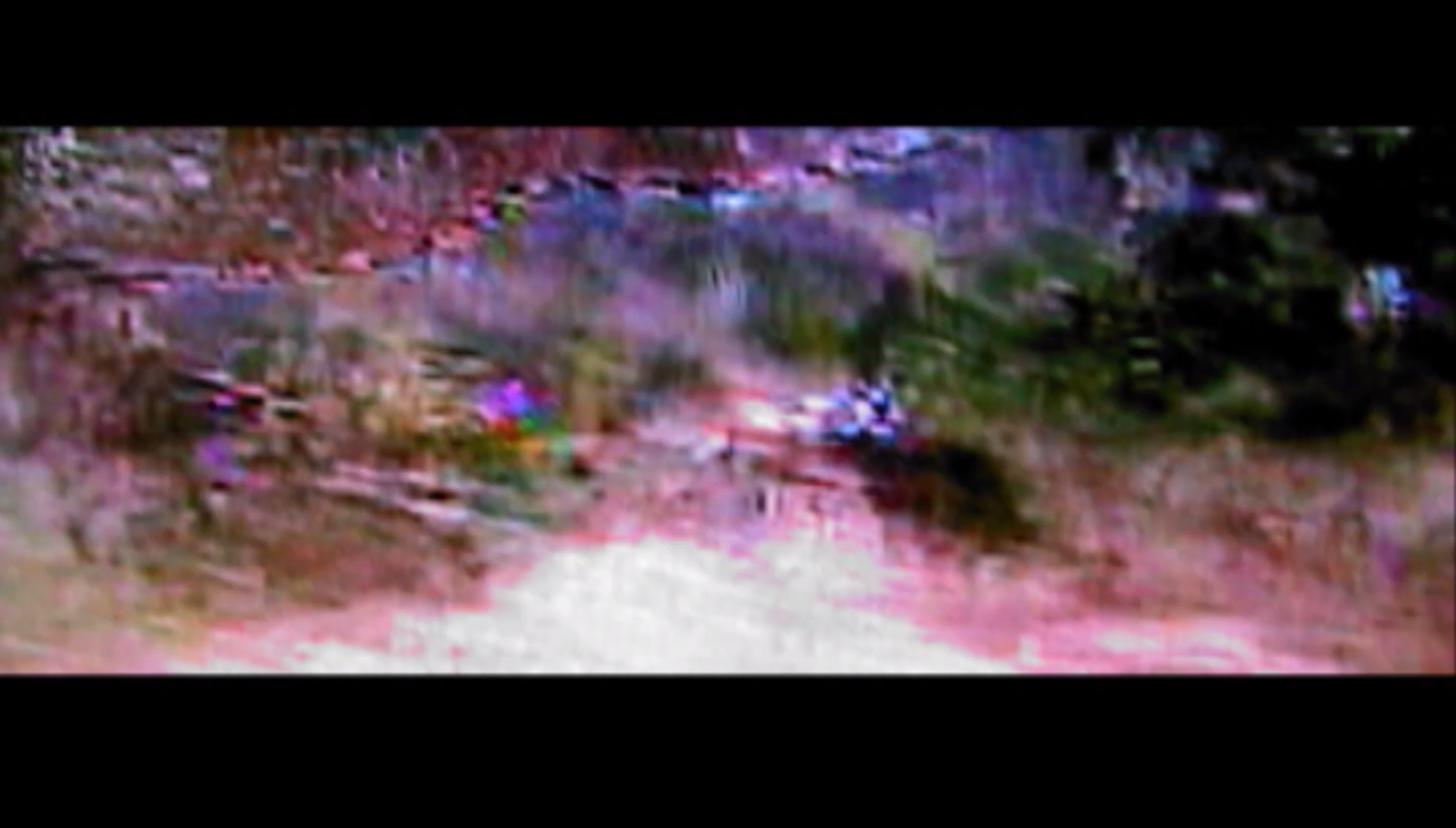
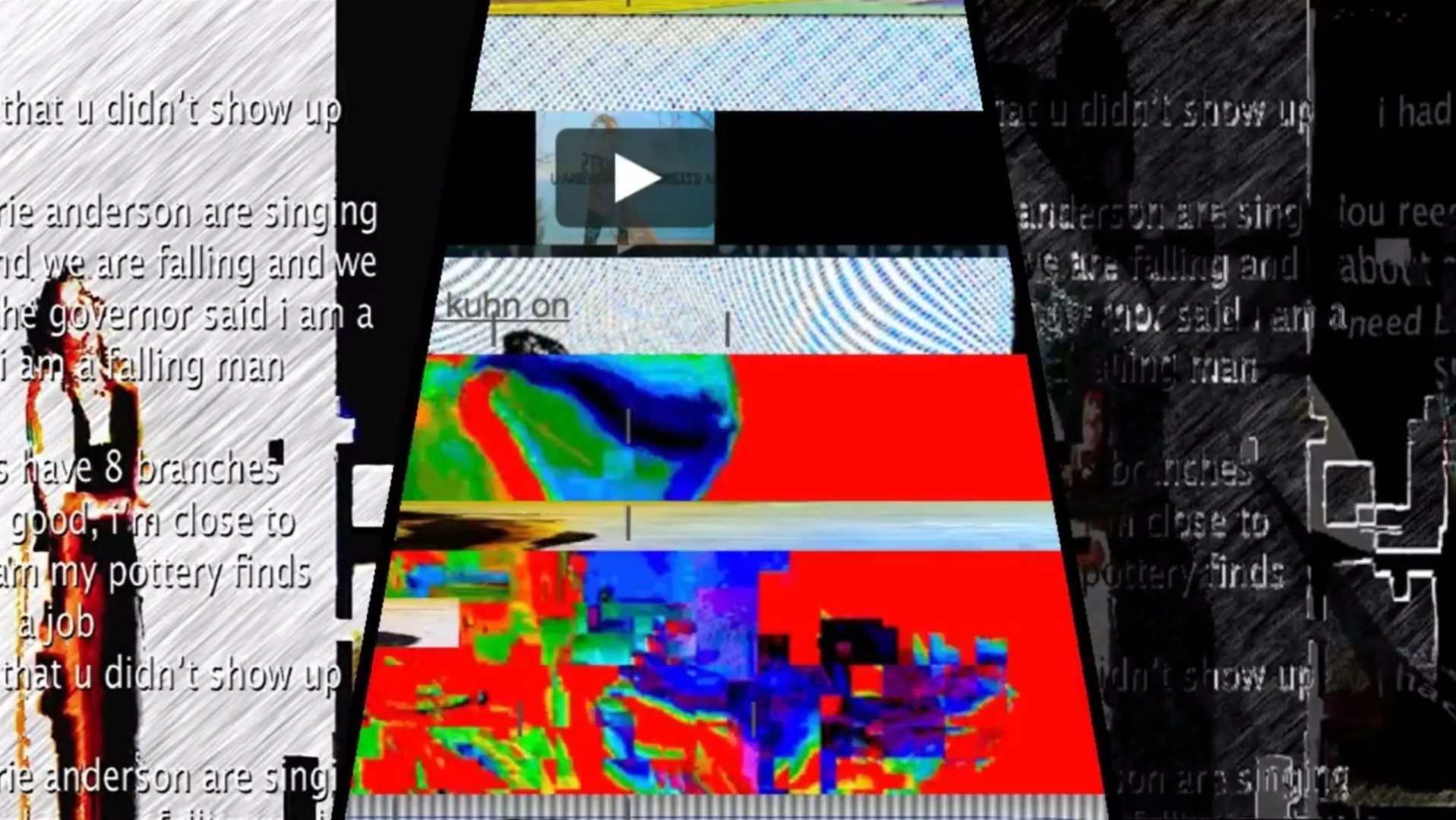
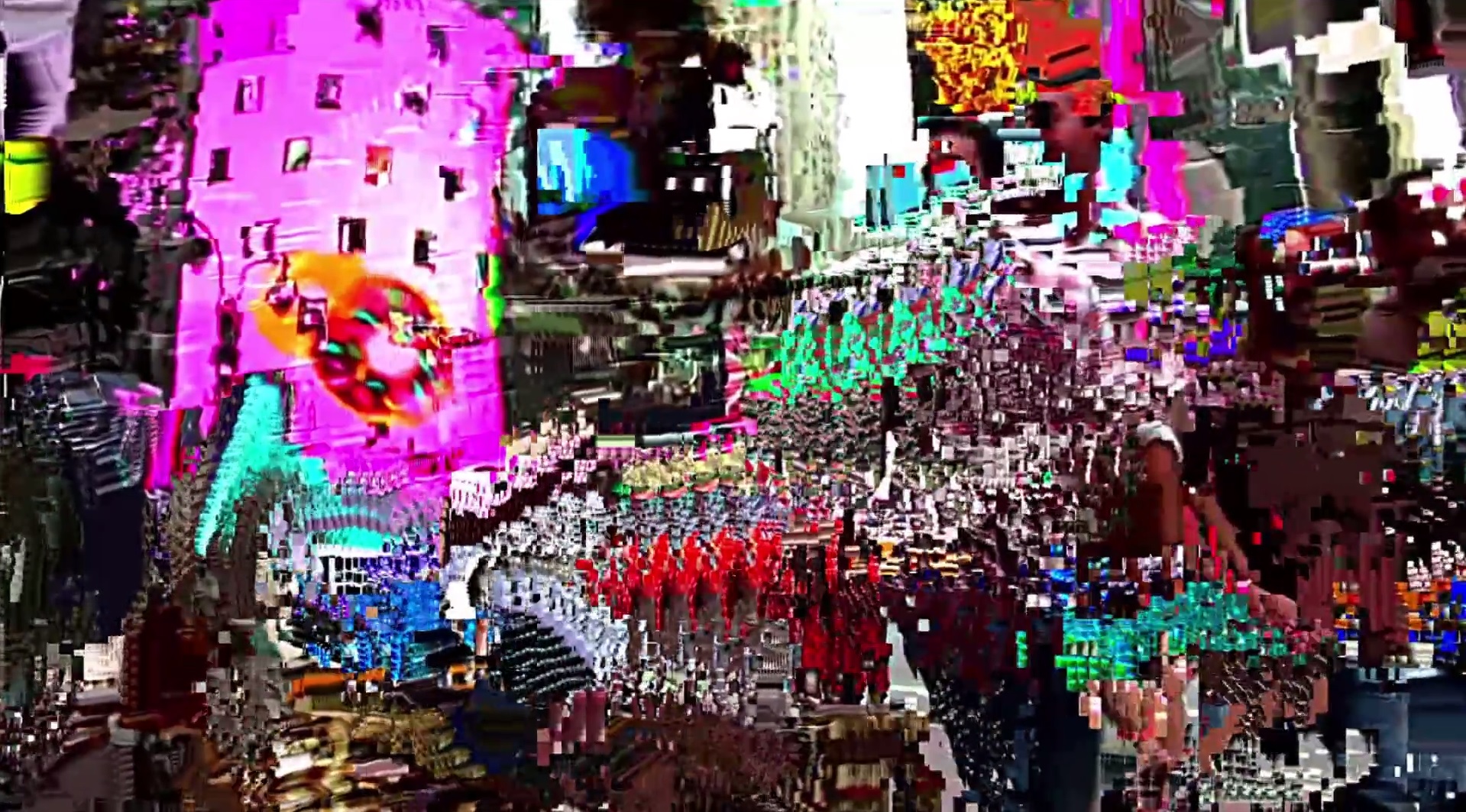
g͠lͮi̔t᷾c̝h̳ was Peripheral Forms' first big group show. 36 artists, a randomized JavaScript interface that shuffled colors and positions on every page load, an embedded paywall with a bypass code (glitchLife4Evah) — the show's interface was supposed to be as broken and shifting as the work inside it. The video works — 19 of the 36 — are now all gone from Vimeo. Deleted, privated, lost. What's preserved here are the page-background stills I cut from each video back in 2016 to use as the artwork's backdrop in the original interface. They become memorial frames now. Some of the artist sites are gone too.
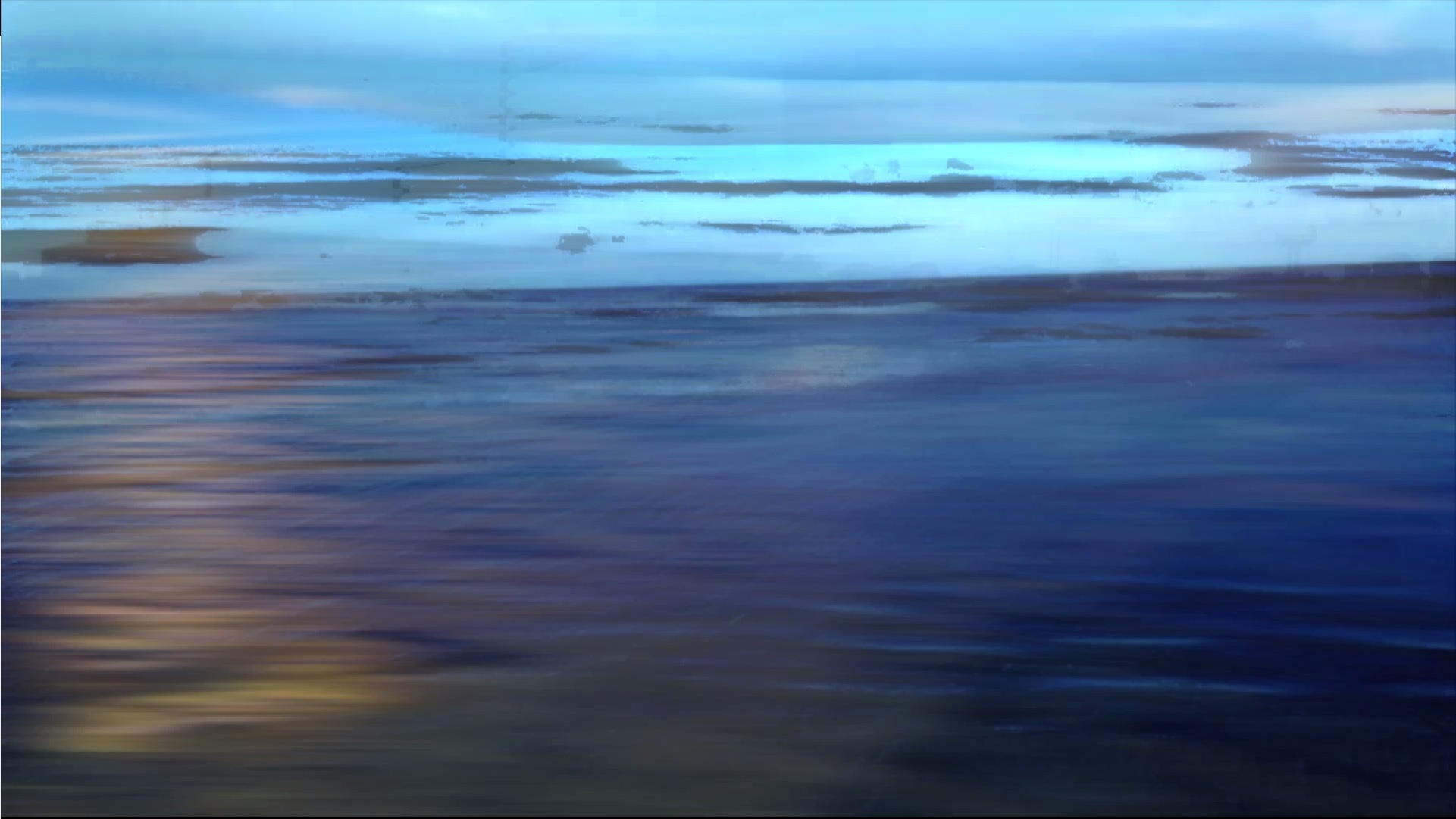
The thinking, then, was that glitch revealed the real of the digital — that malfunction was the only thing that could pierce the illusion of digital images as smooth, coherent, transparent. Failure as gesture. The mistake as a refusal of the success-image. A lot of the work pulled toward water and liquidity — coastal memory, oceans, datamoshed waves — without anyone planning that thread. It surfaced as we curated.
Looking at it now, after AI image generation has flooded everything, the optimism in this show reads differently. Glitch was bargaining with a system that still pretended to be reliable. The break meant something because the surface was supposed to hold. Now the surface is generative slop all the way down and the glitch has been absorbed as one more aesthetic preset. What survives in this show is something else — the willingness to treat a corrupted file as a document, the body as a pattern of information, machinic gaze as a way of seeing rather than a problem to be solved. Proto-slopist work, before the slop became the medium.
GIFs, image series, single frames. Click any image to enter the lightbox. The images here are pulled directly from the original 2016 archive — no re-encoding, no rescaling.
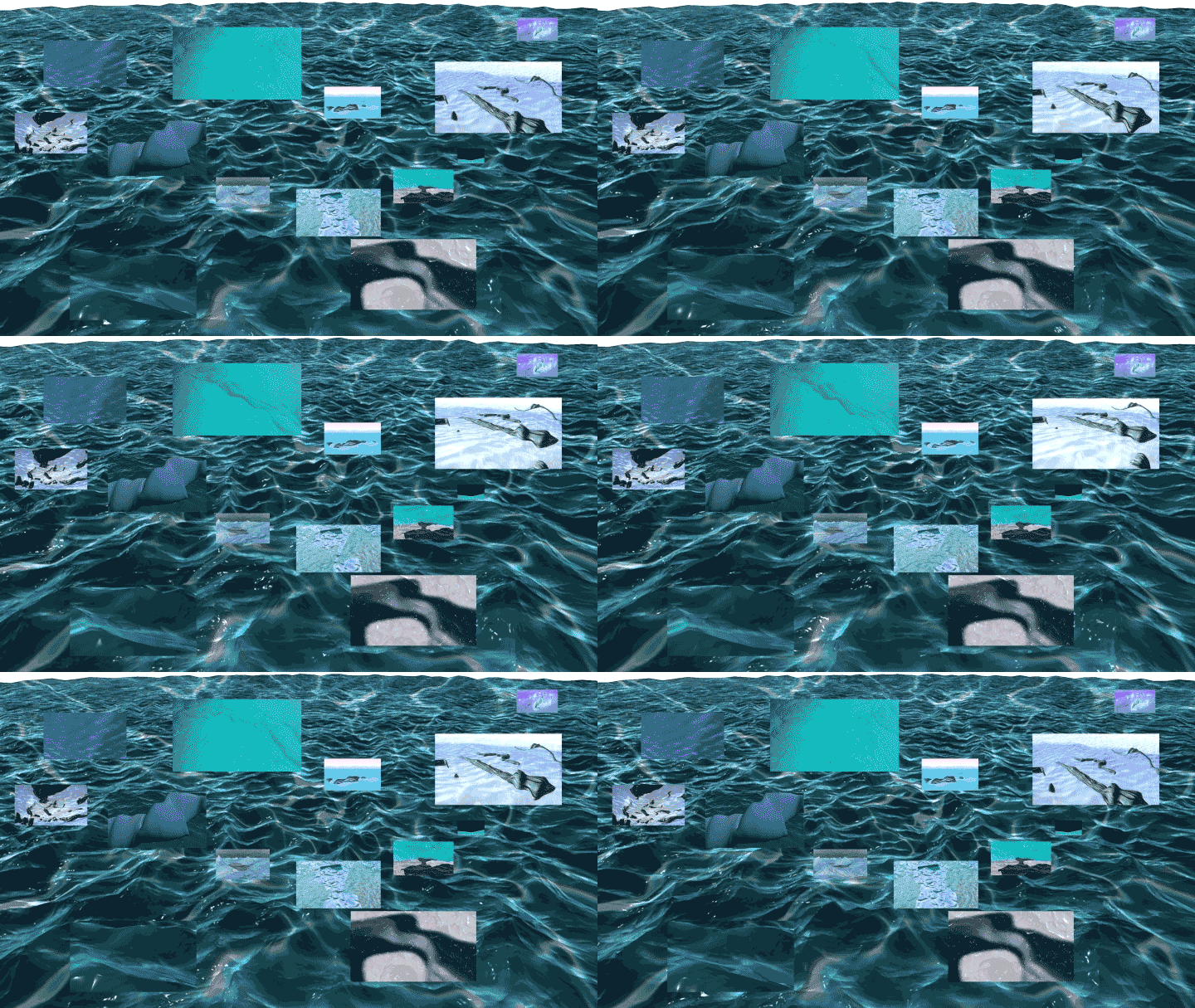
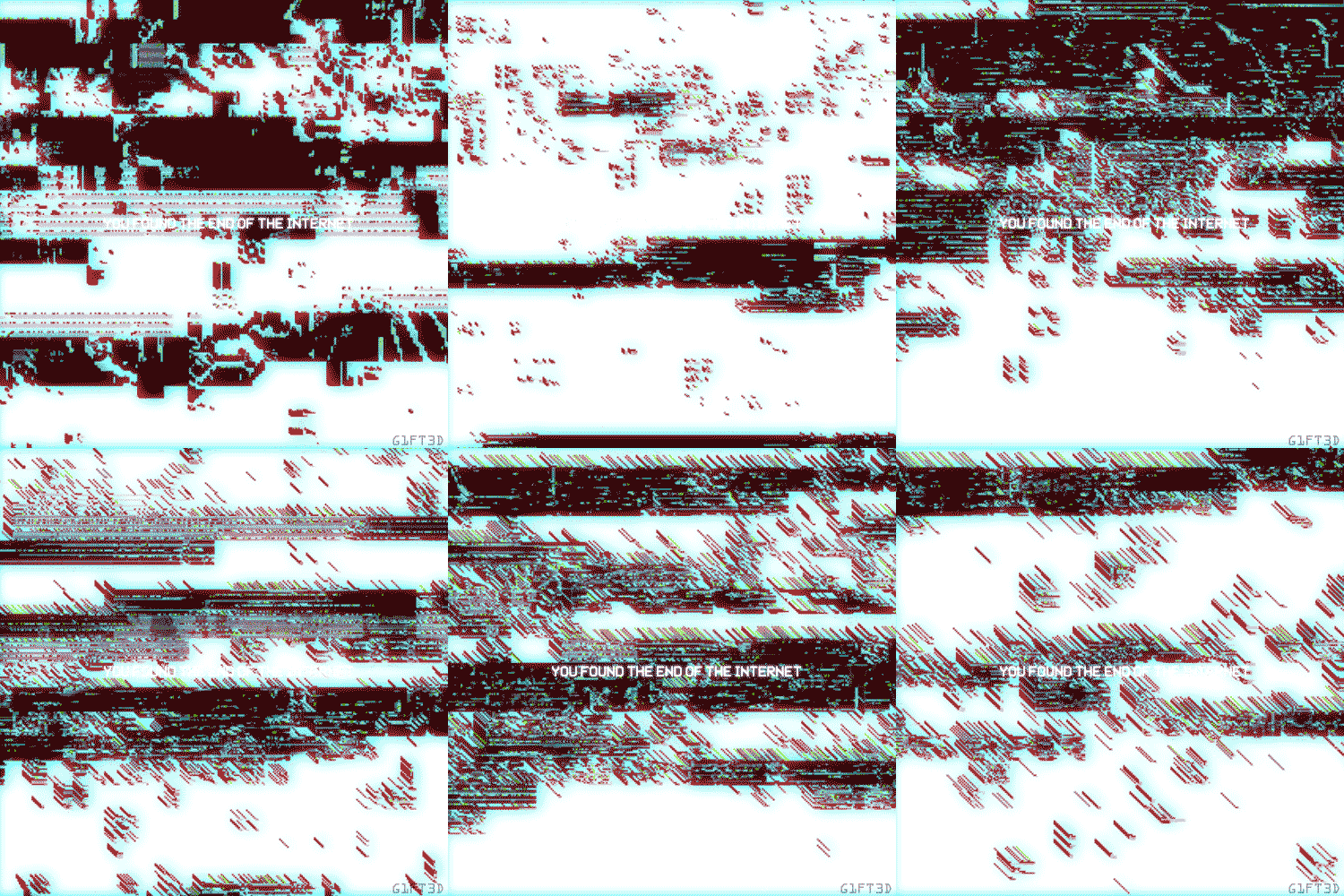
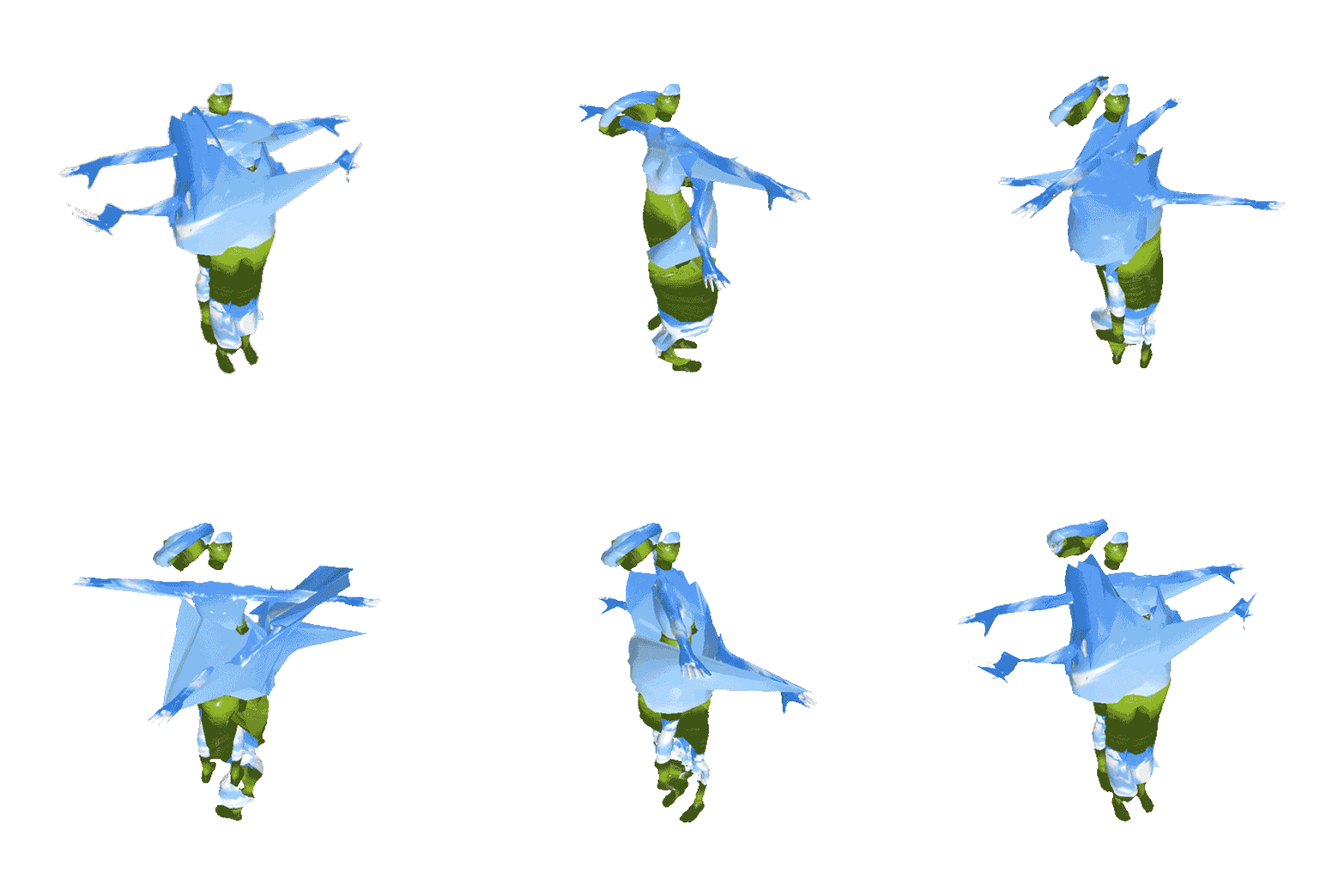
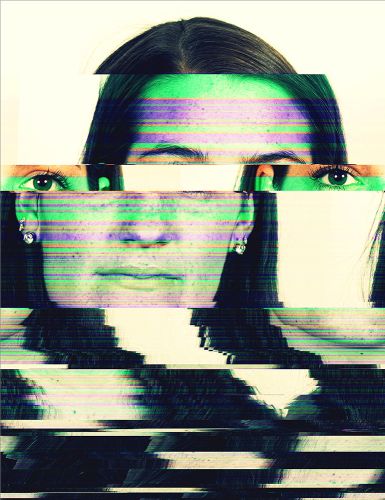
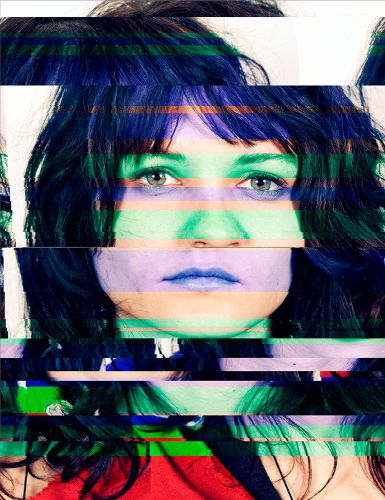
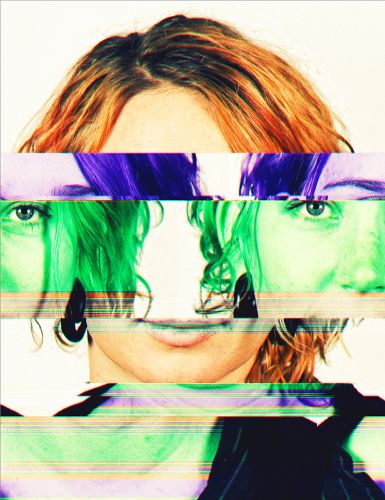
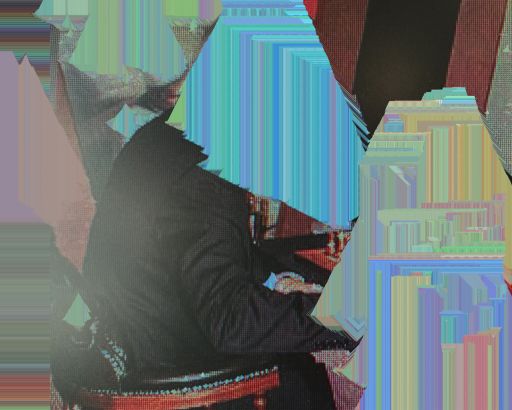
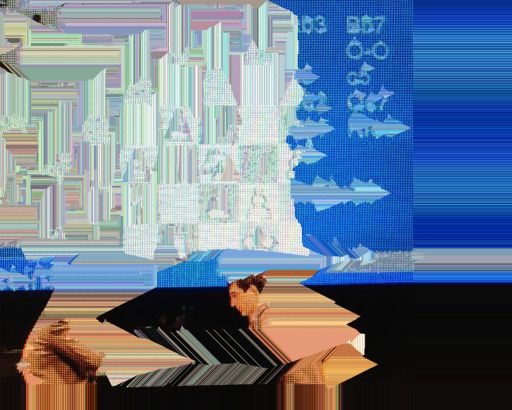
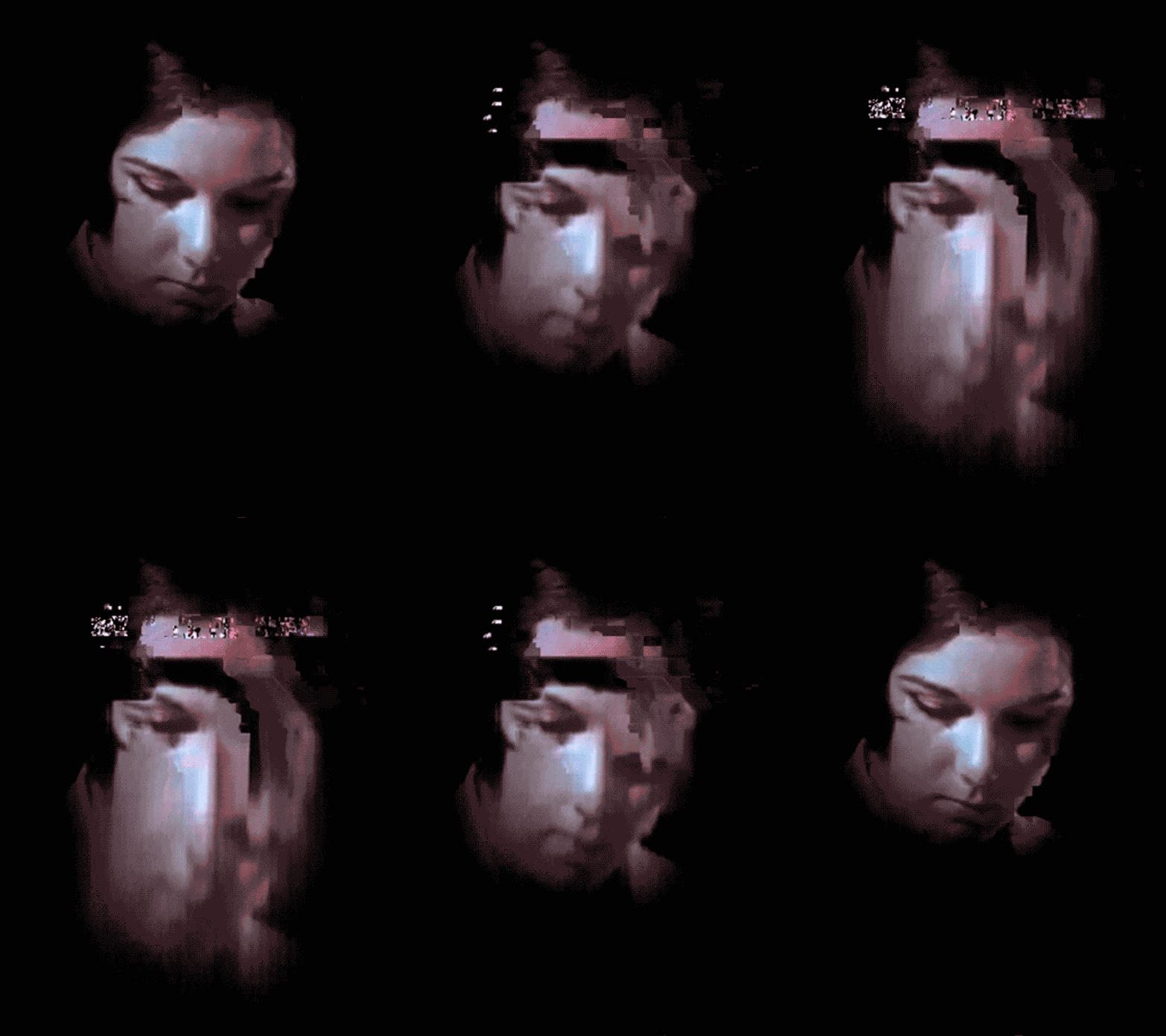
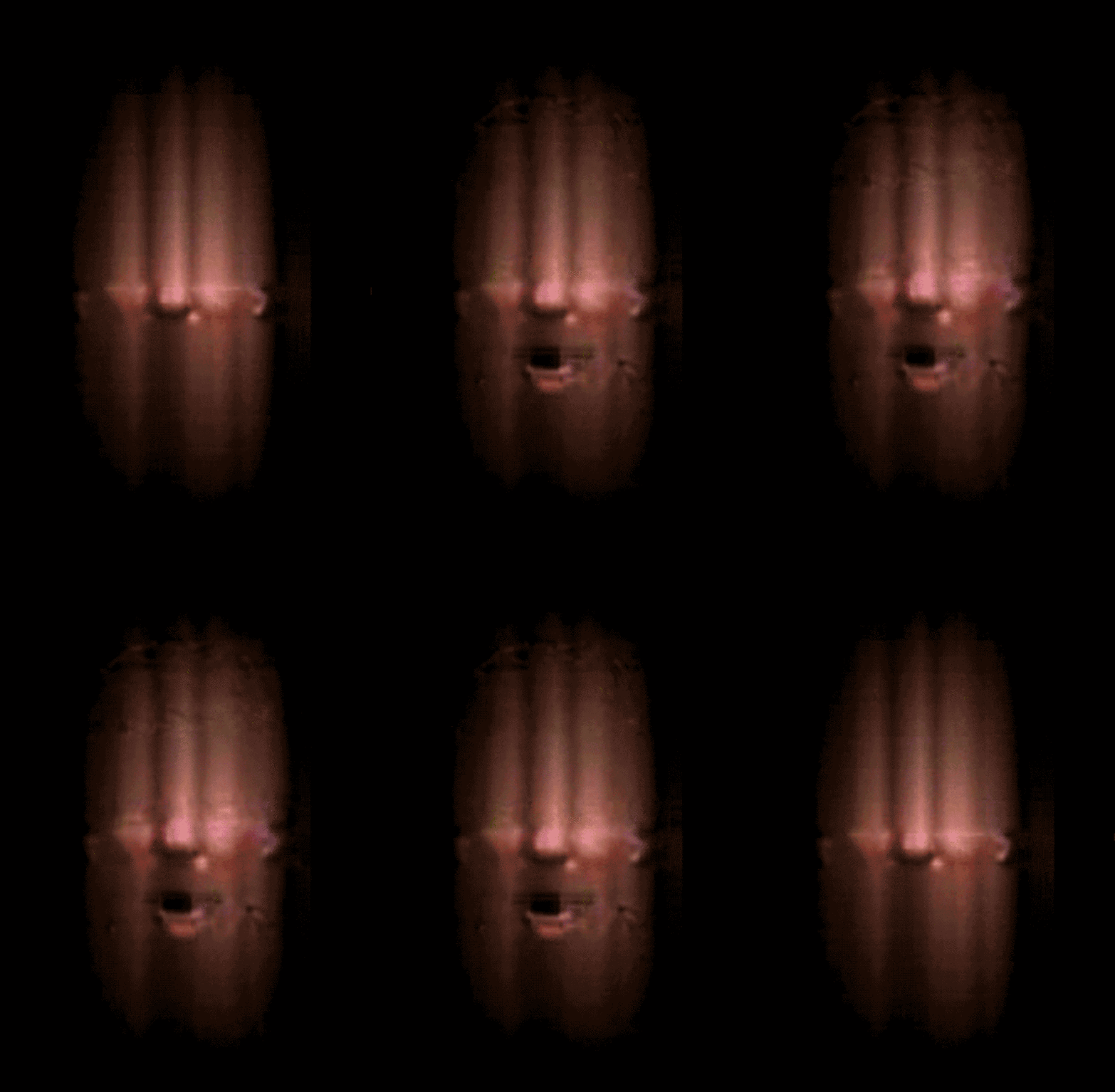
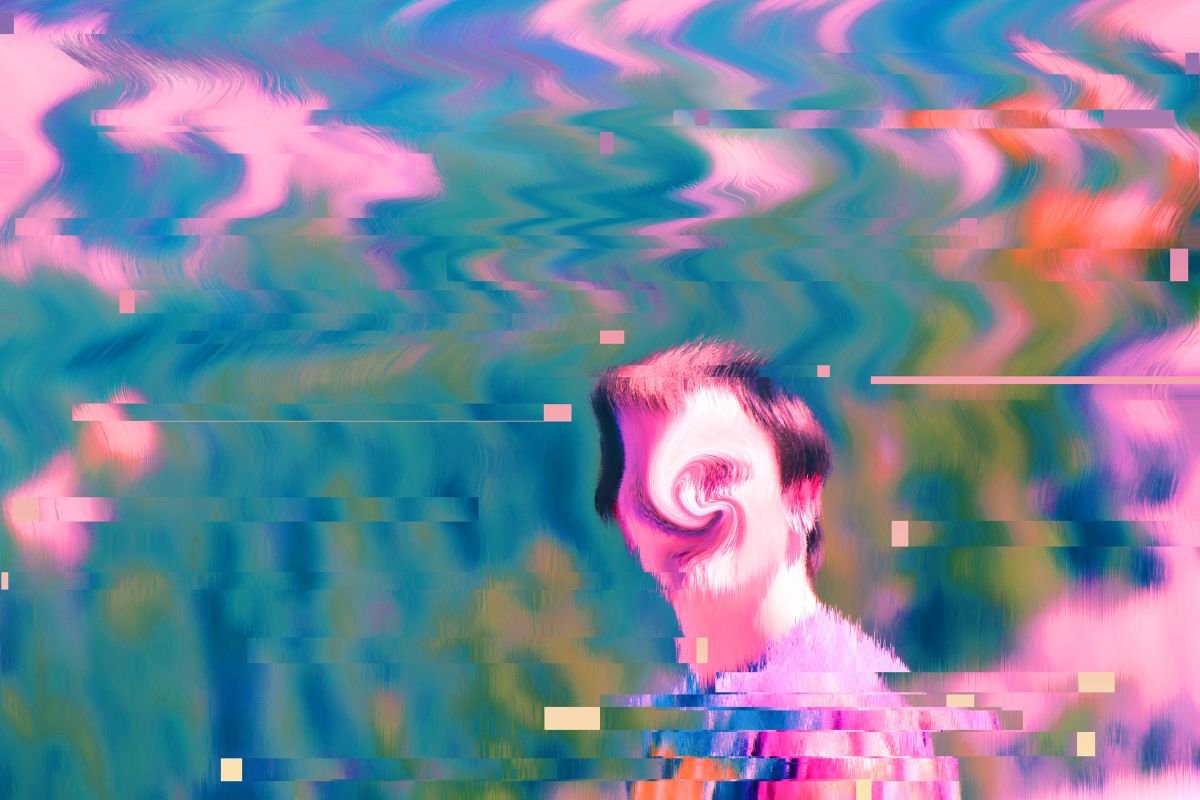
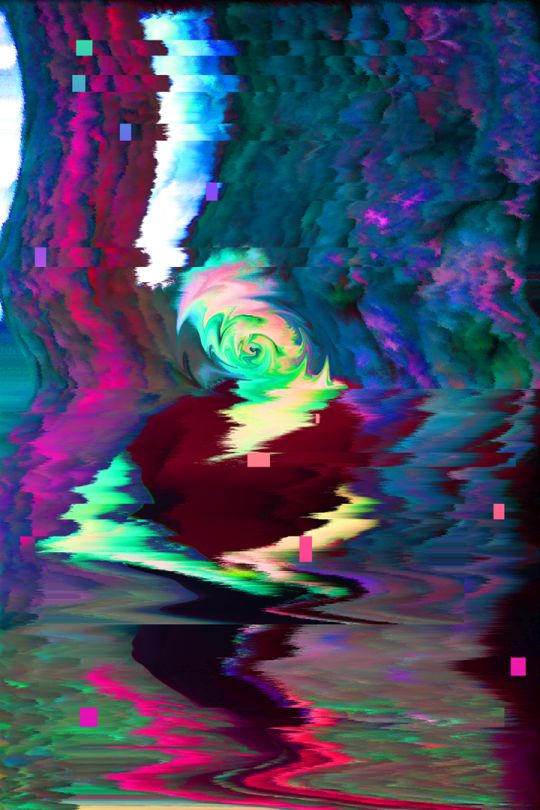
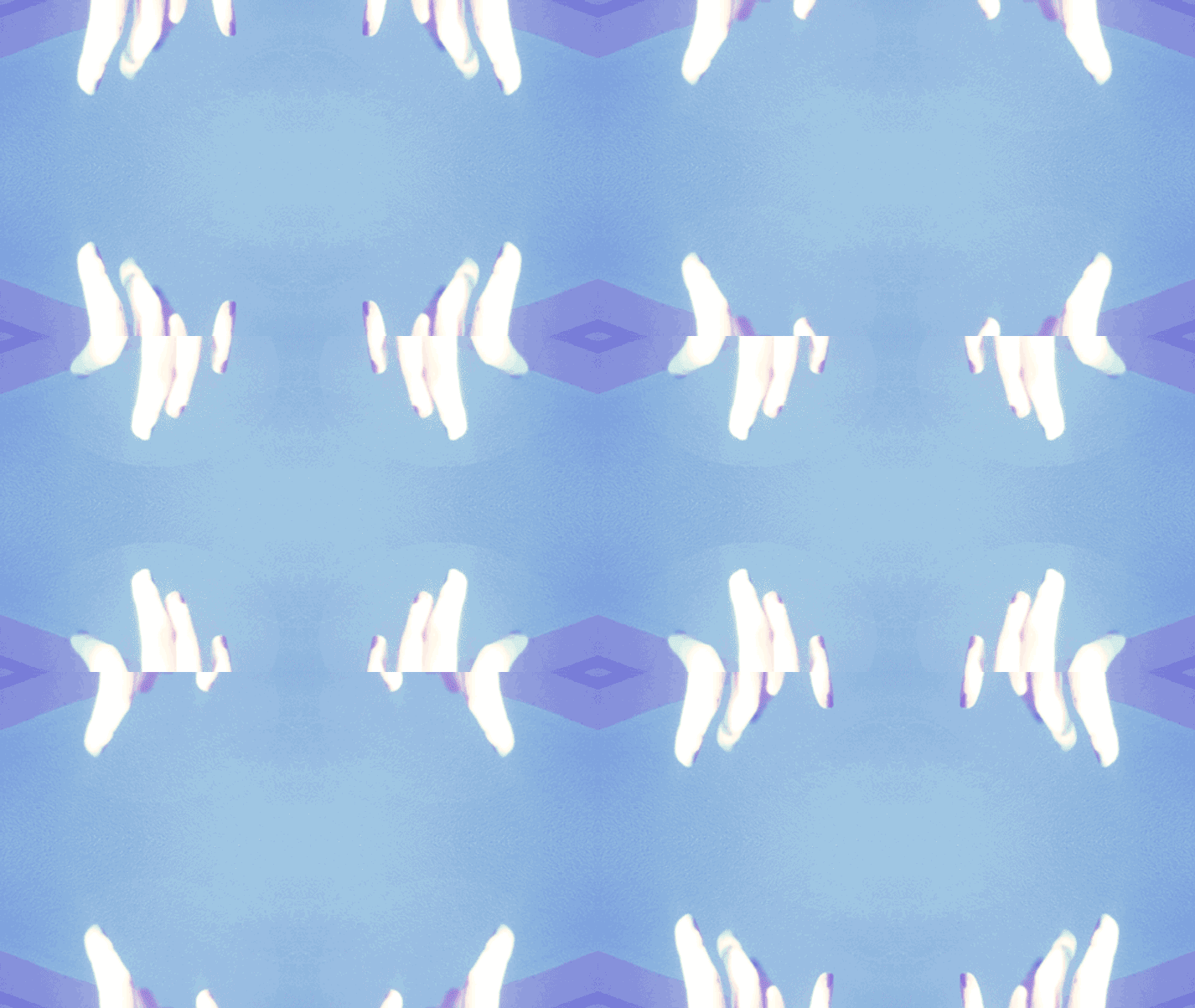
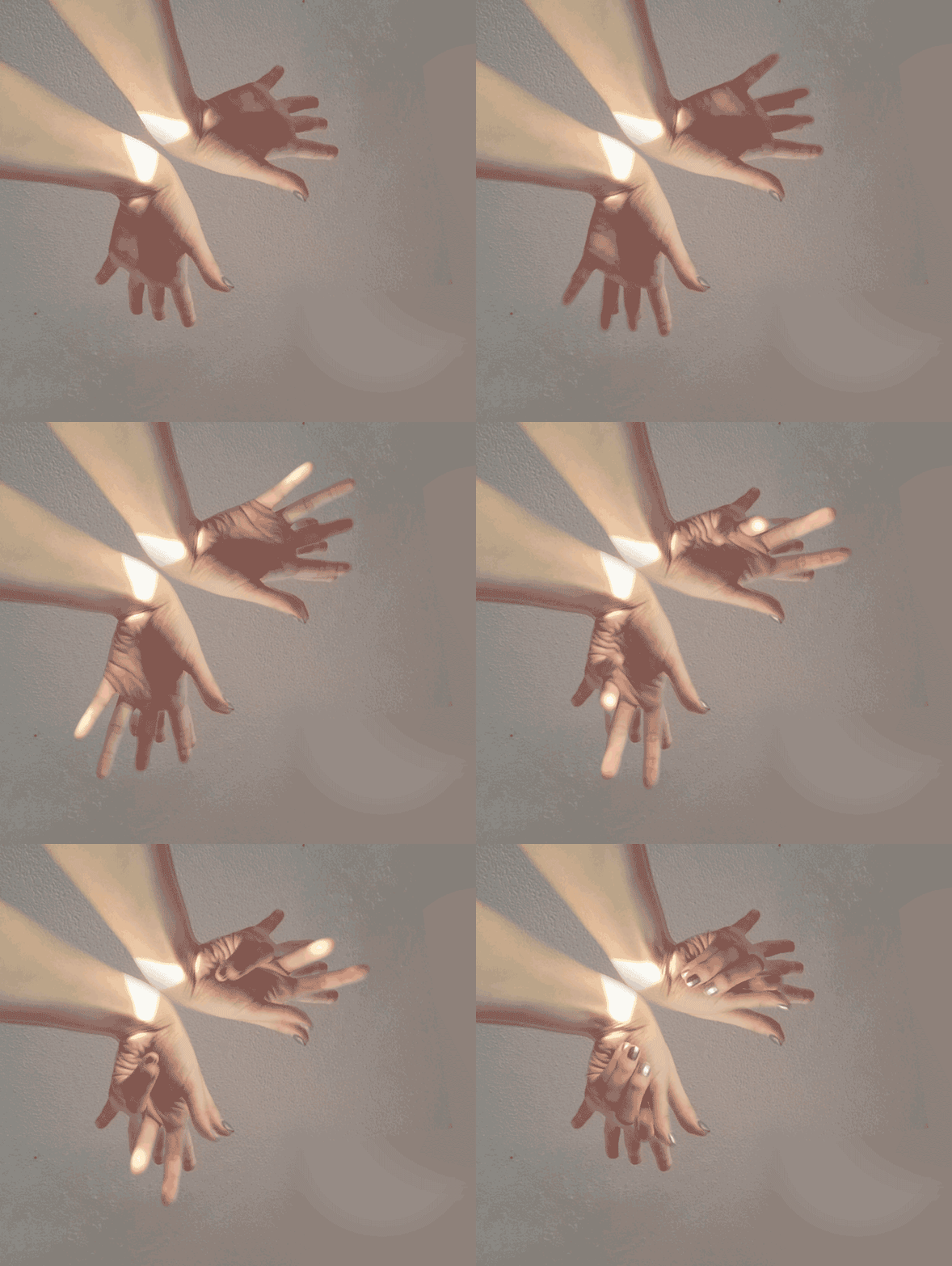
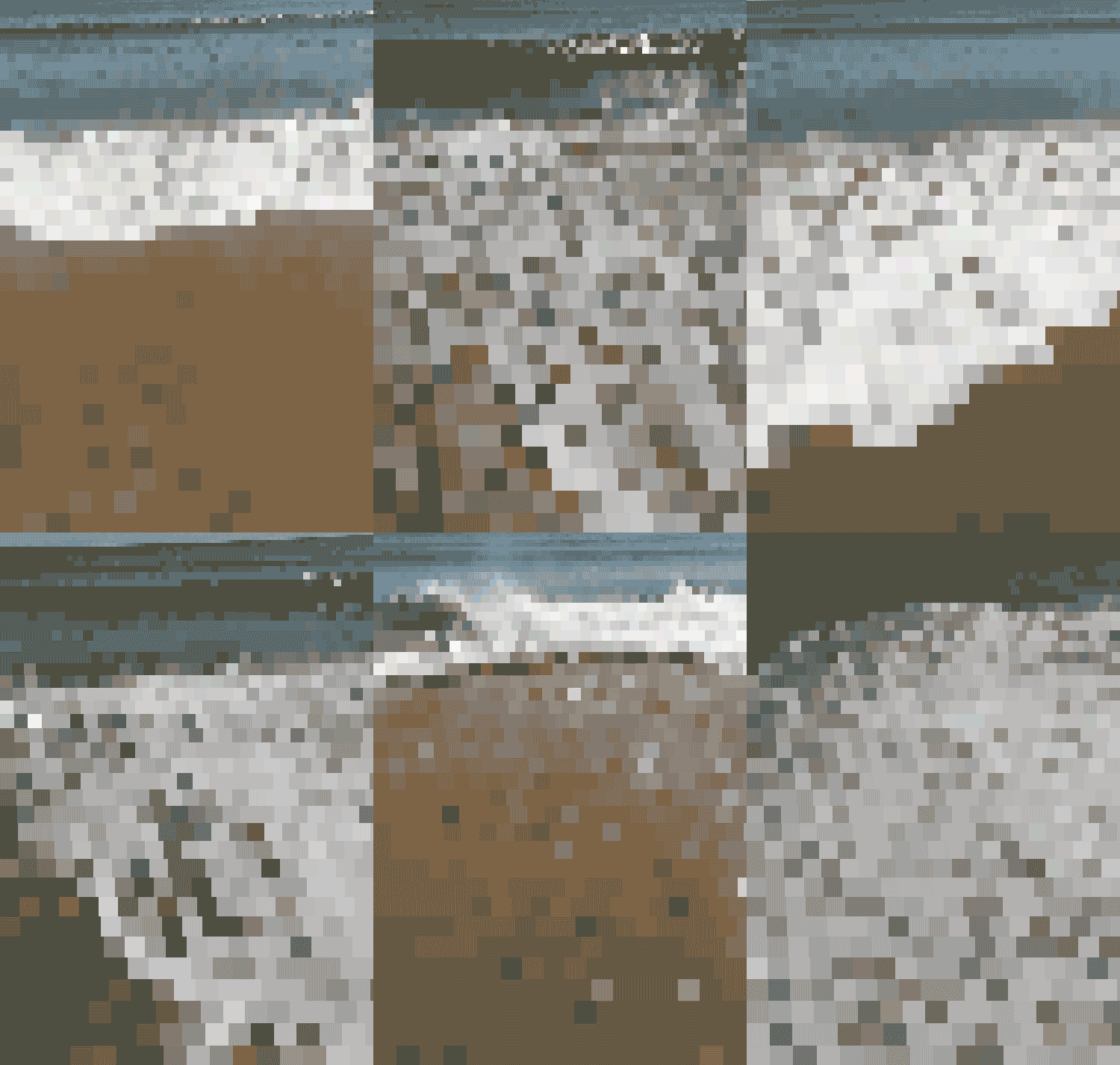
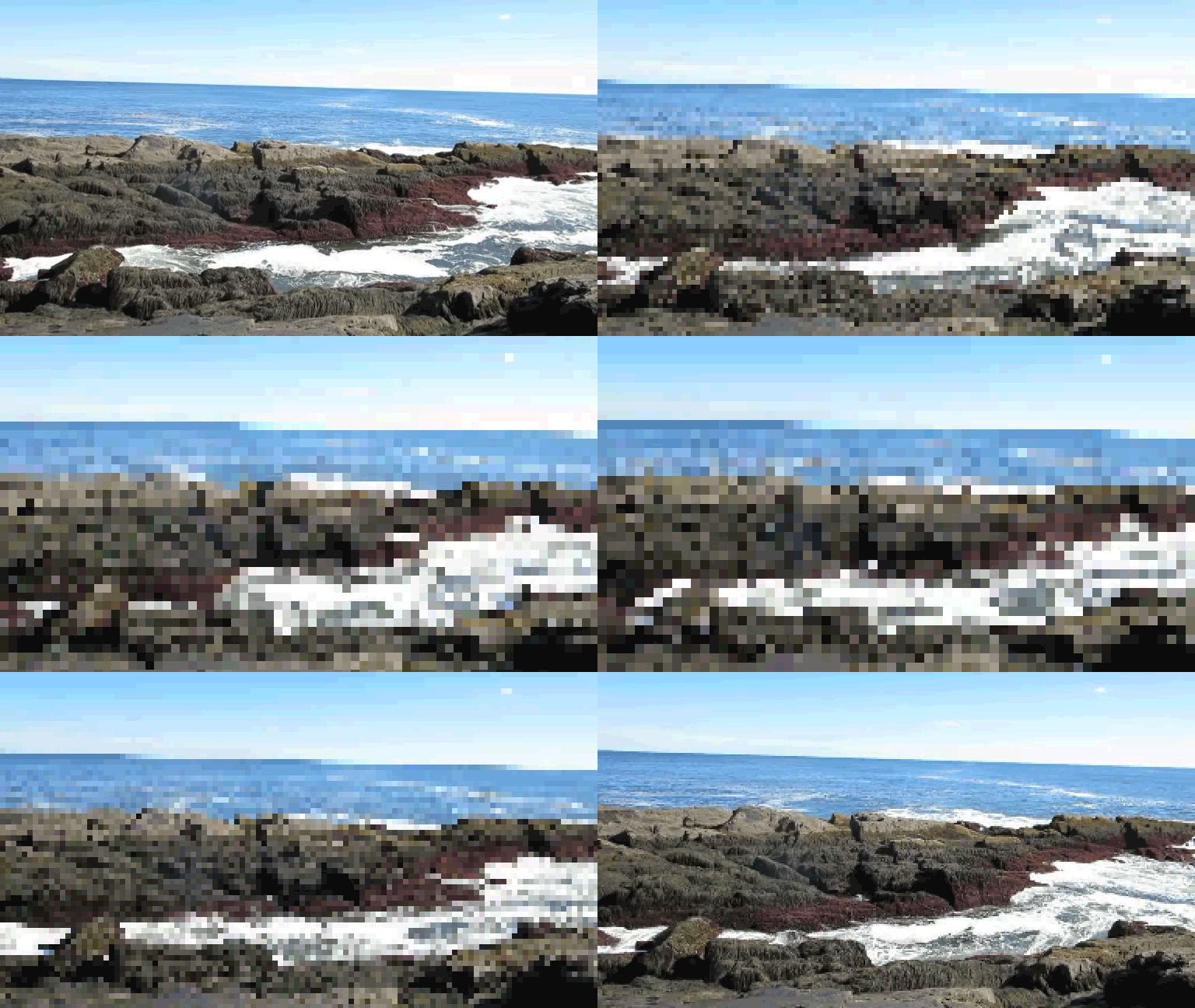
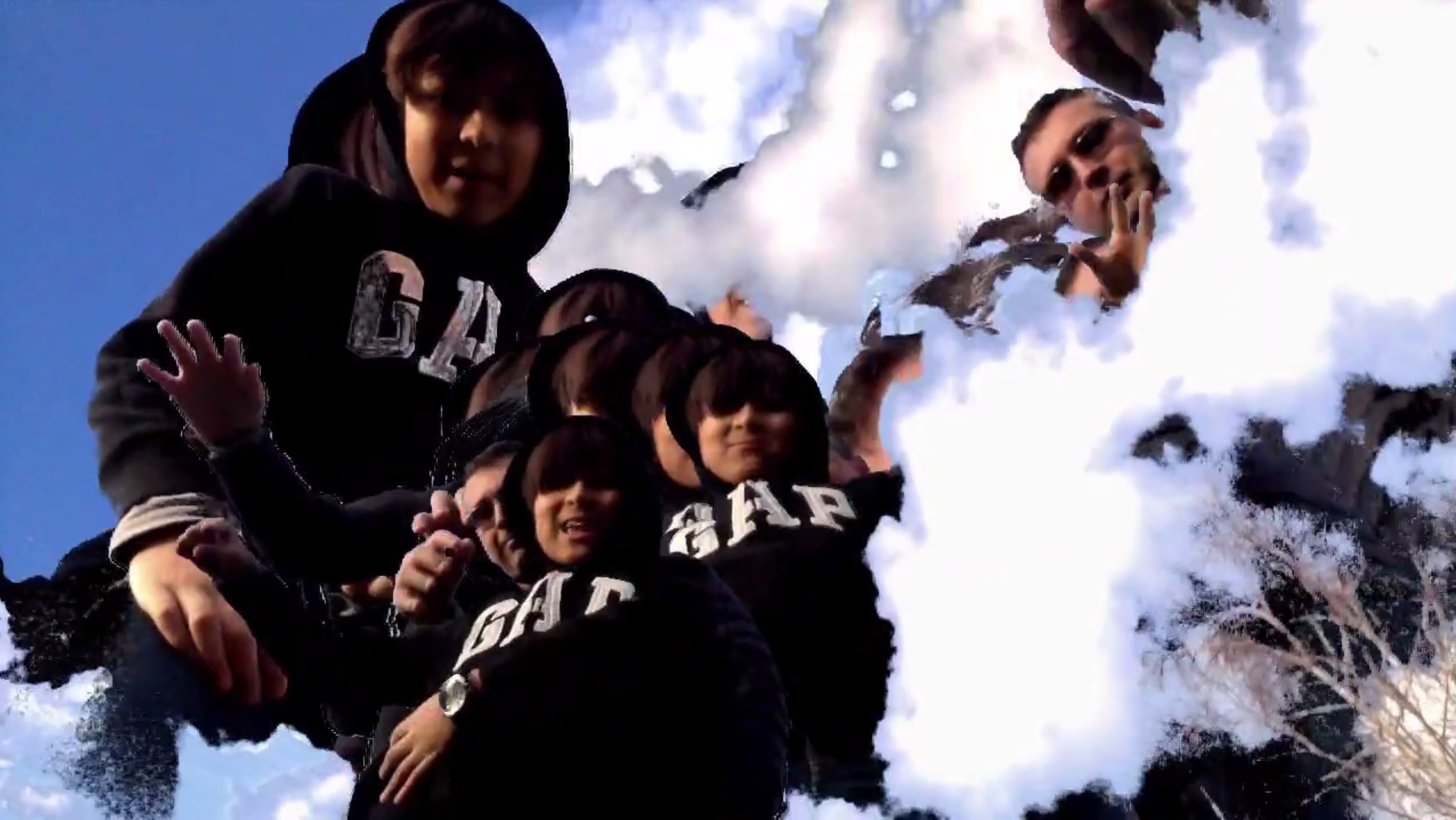
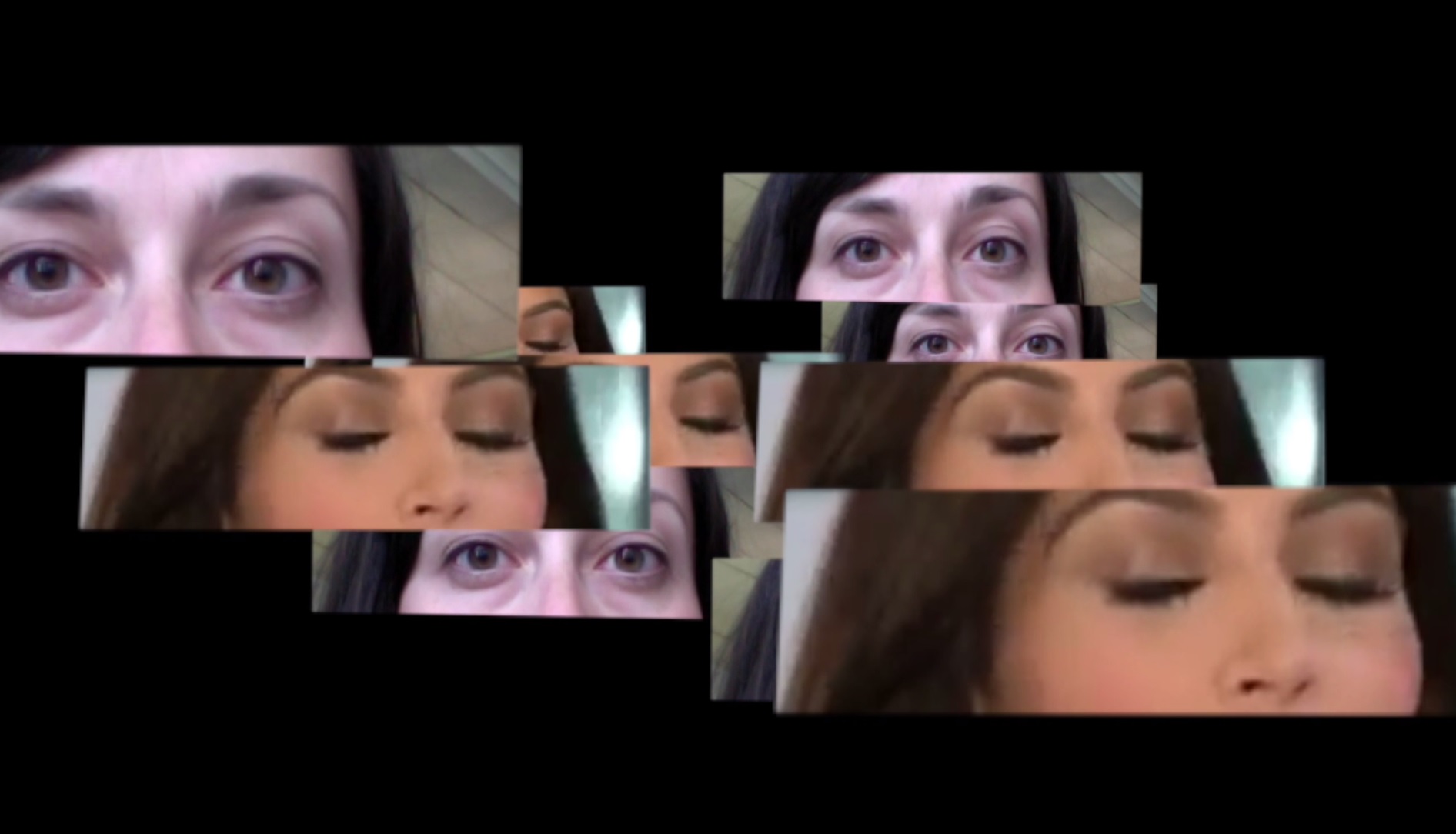
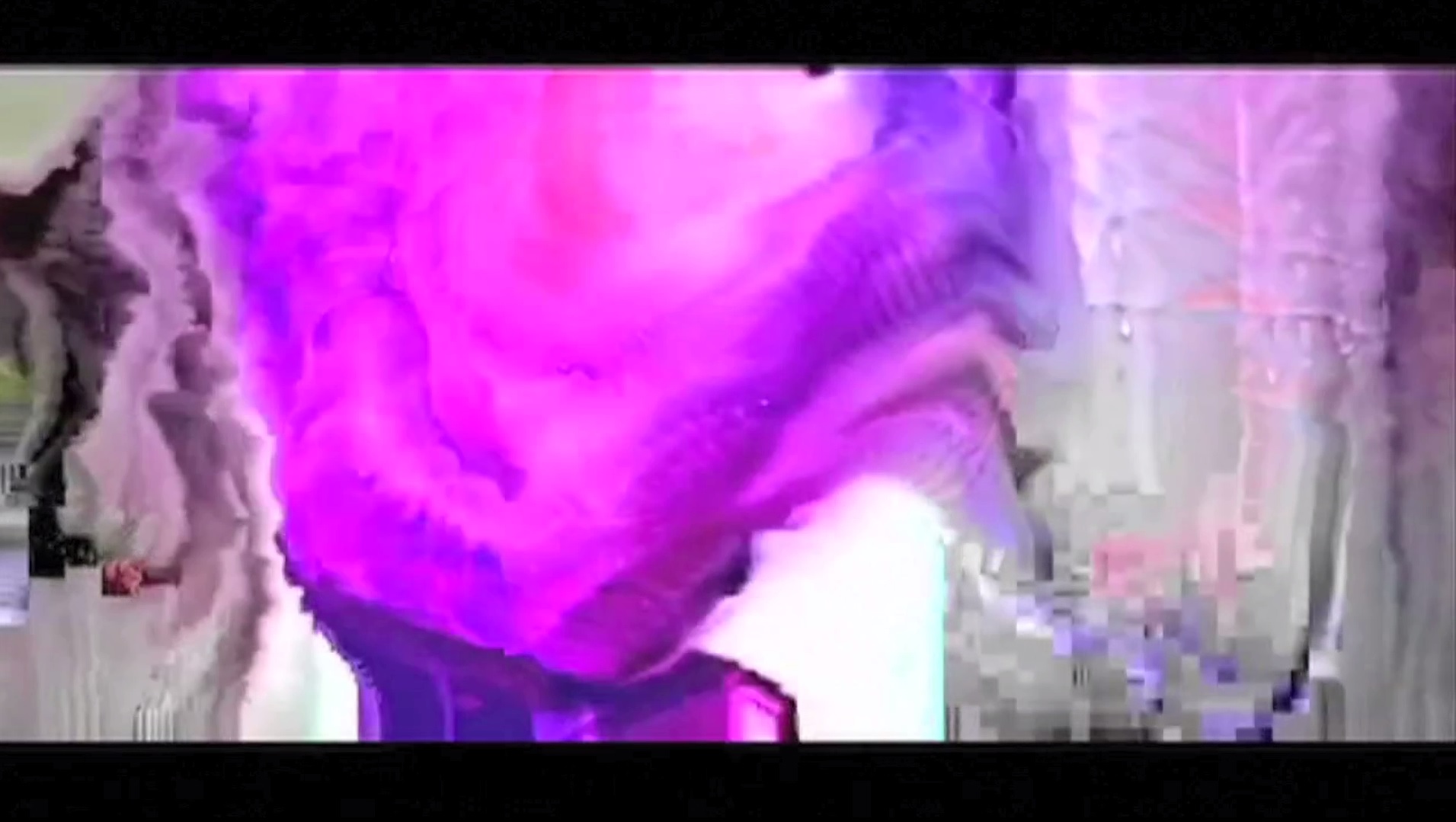
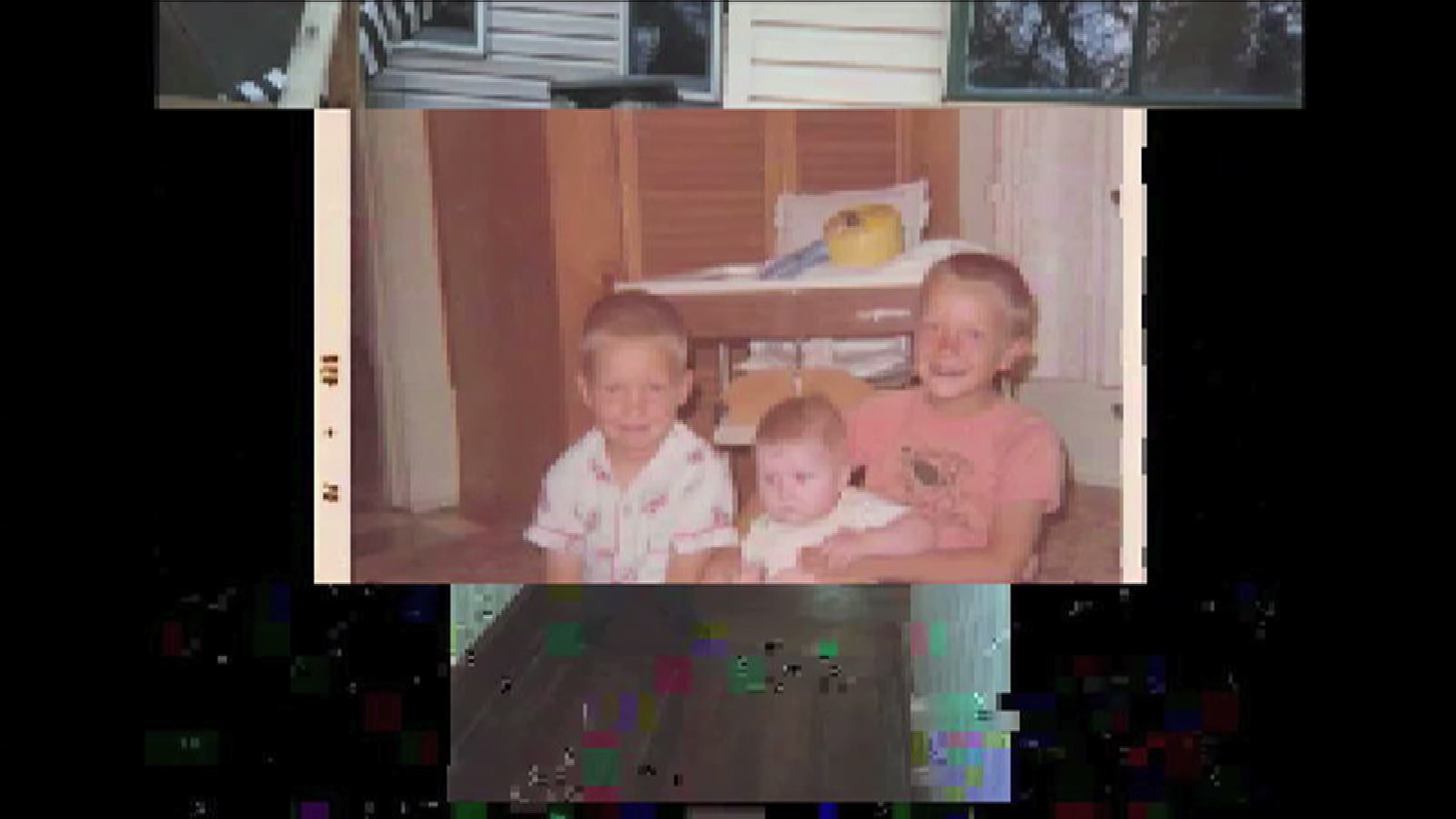
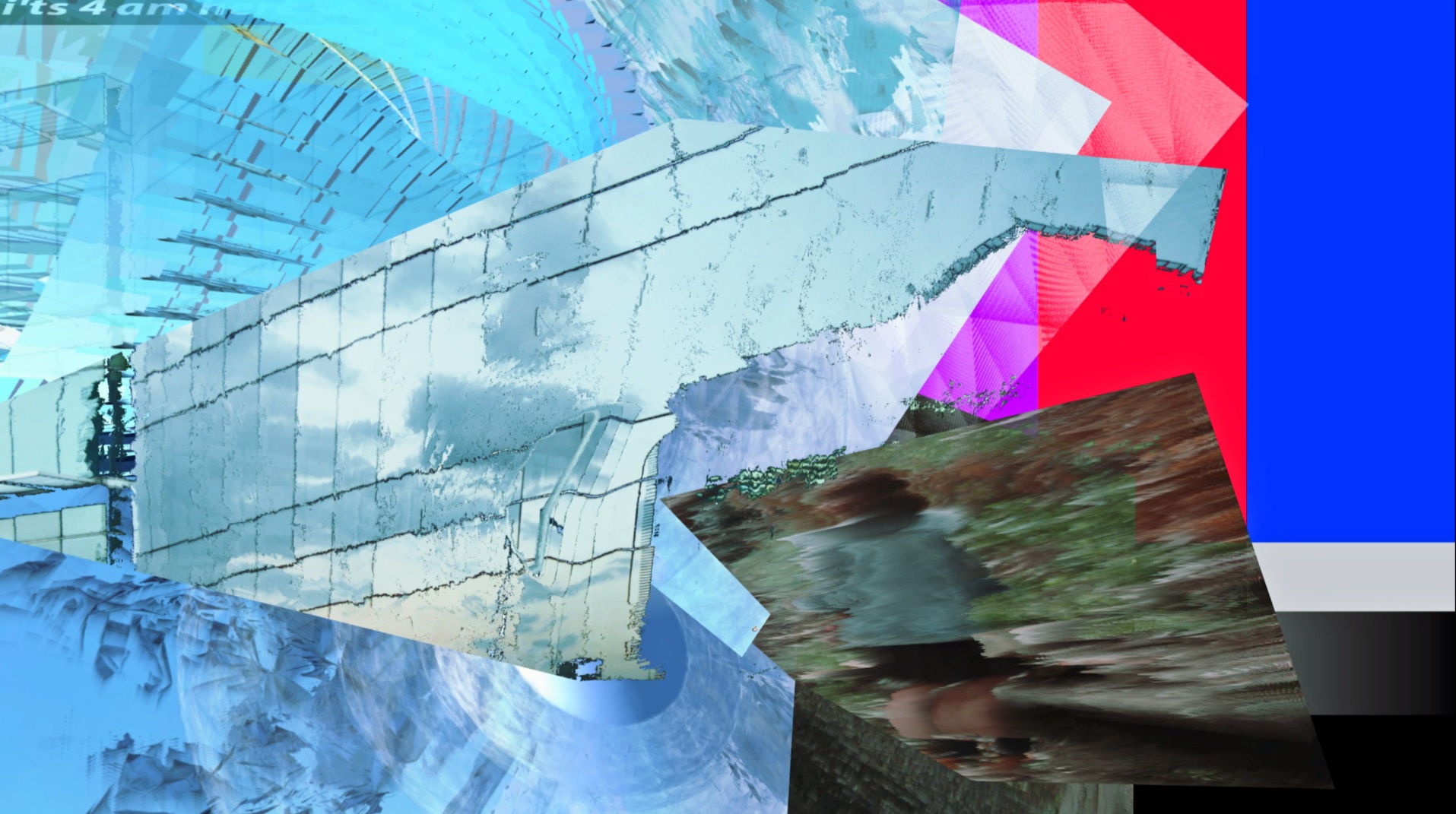
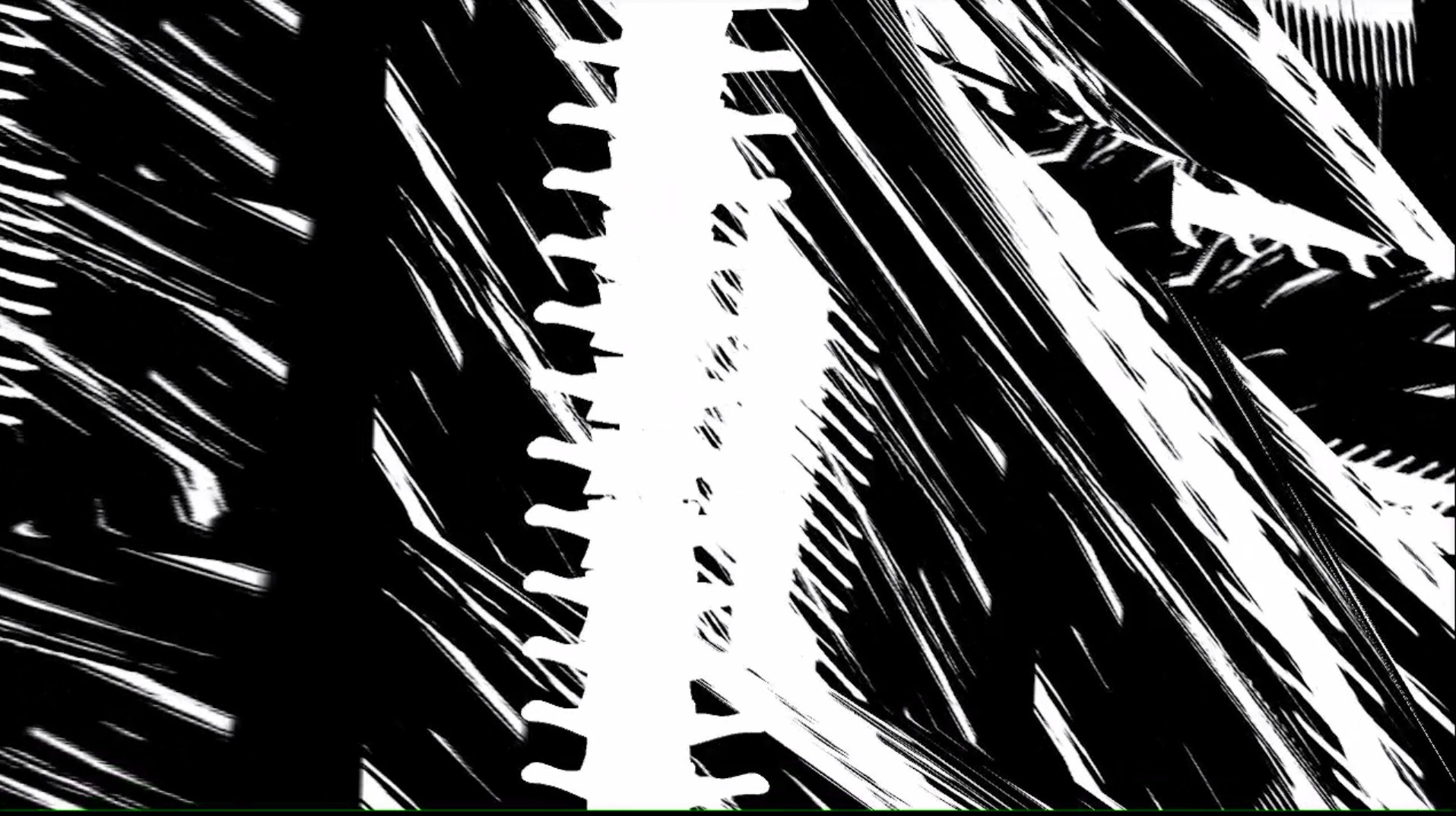
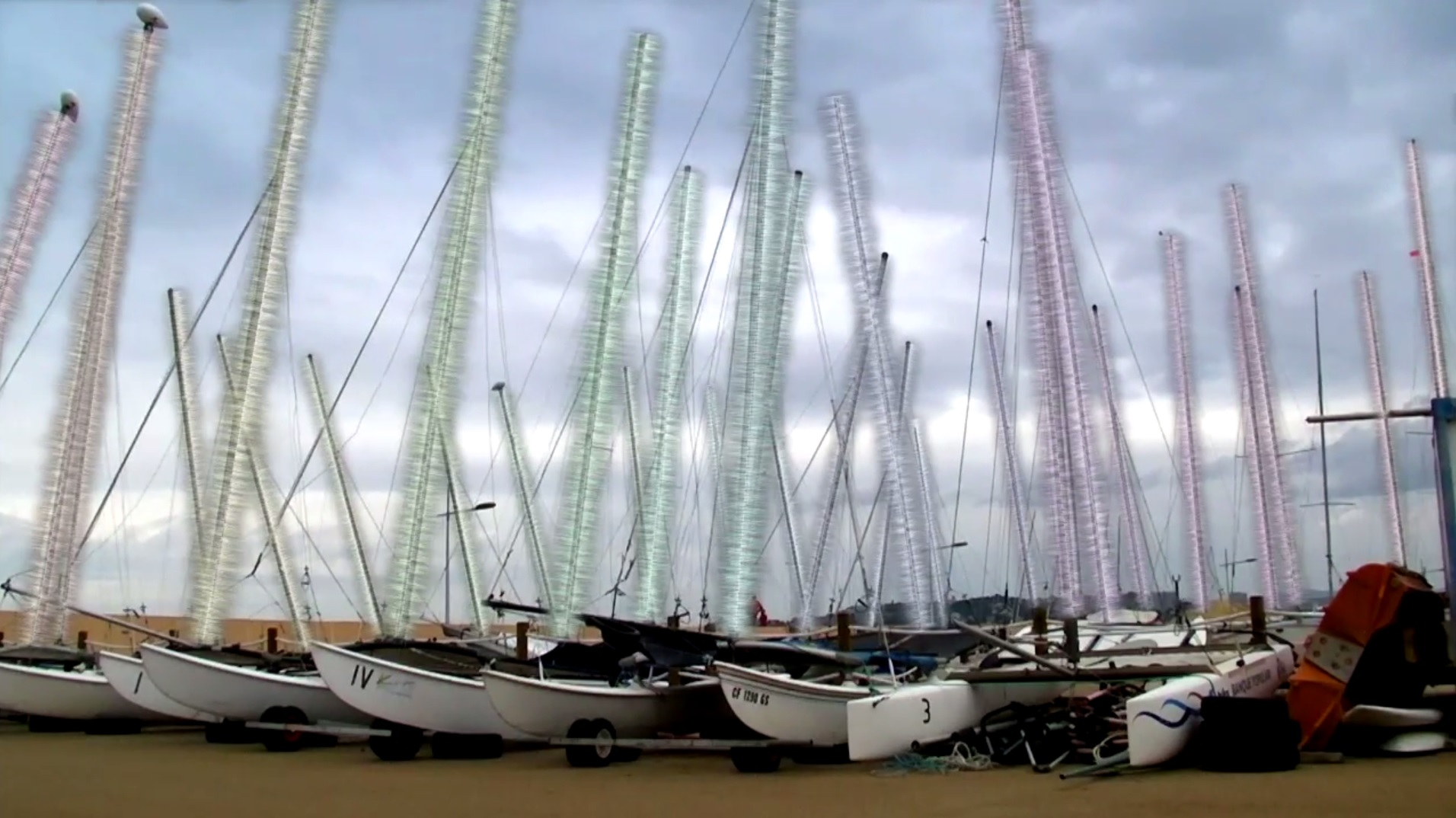
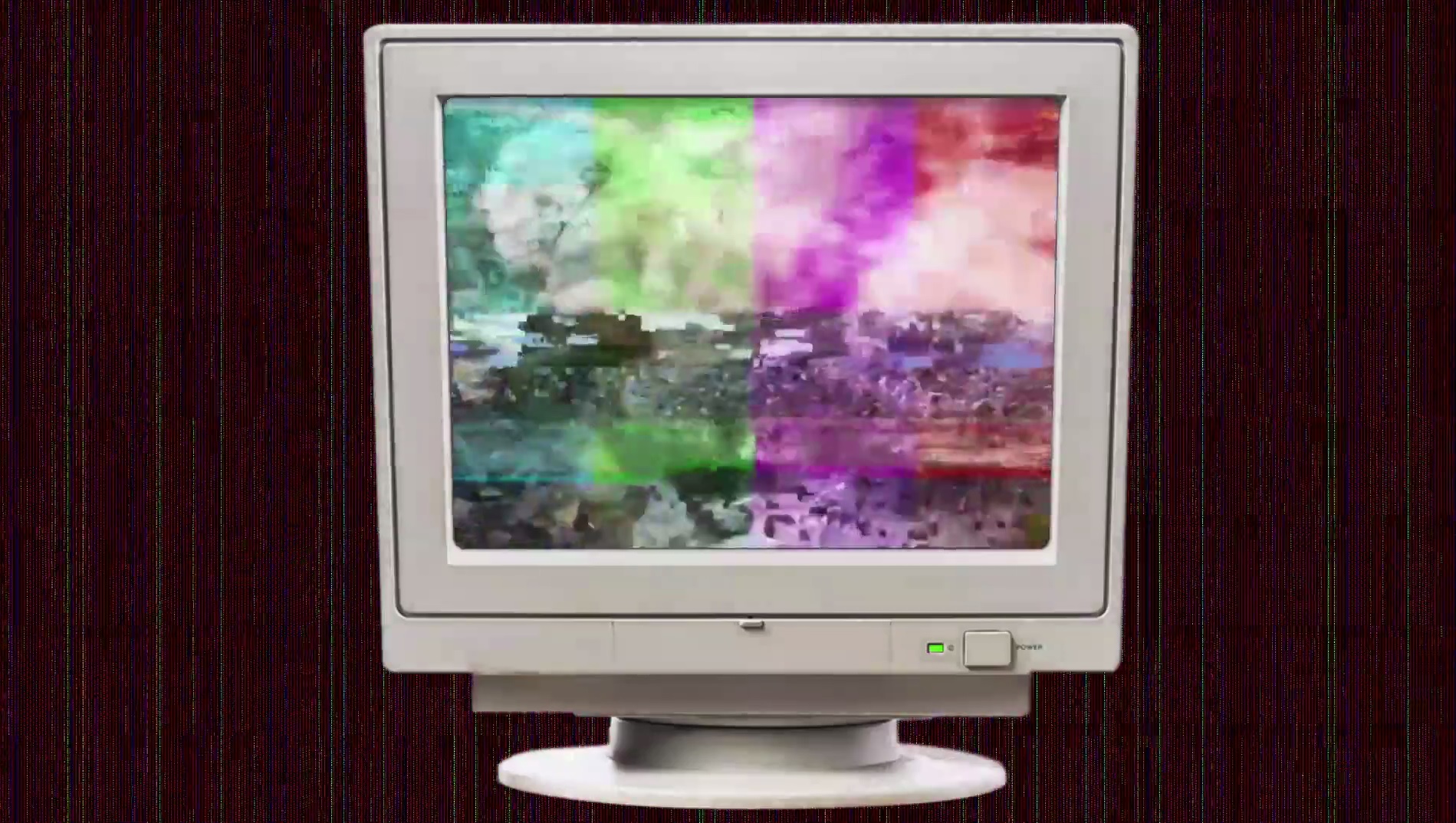
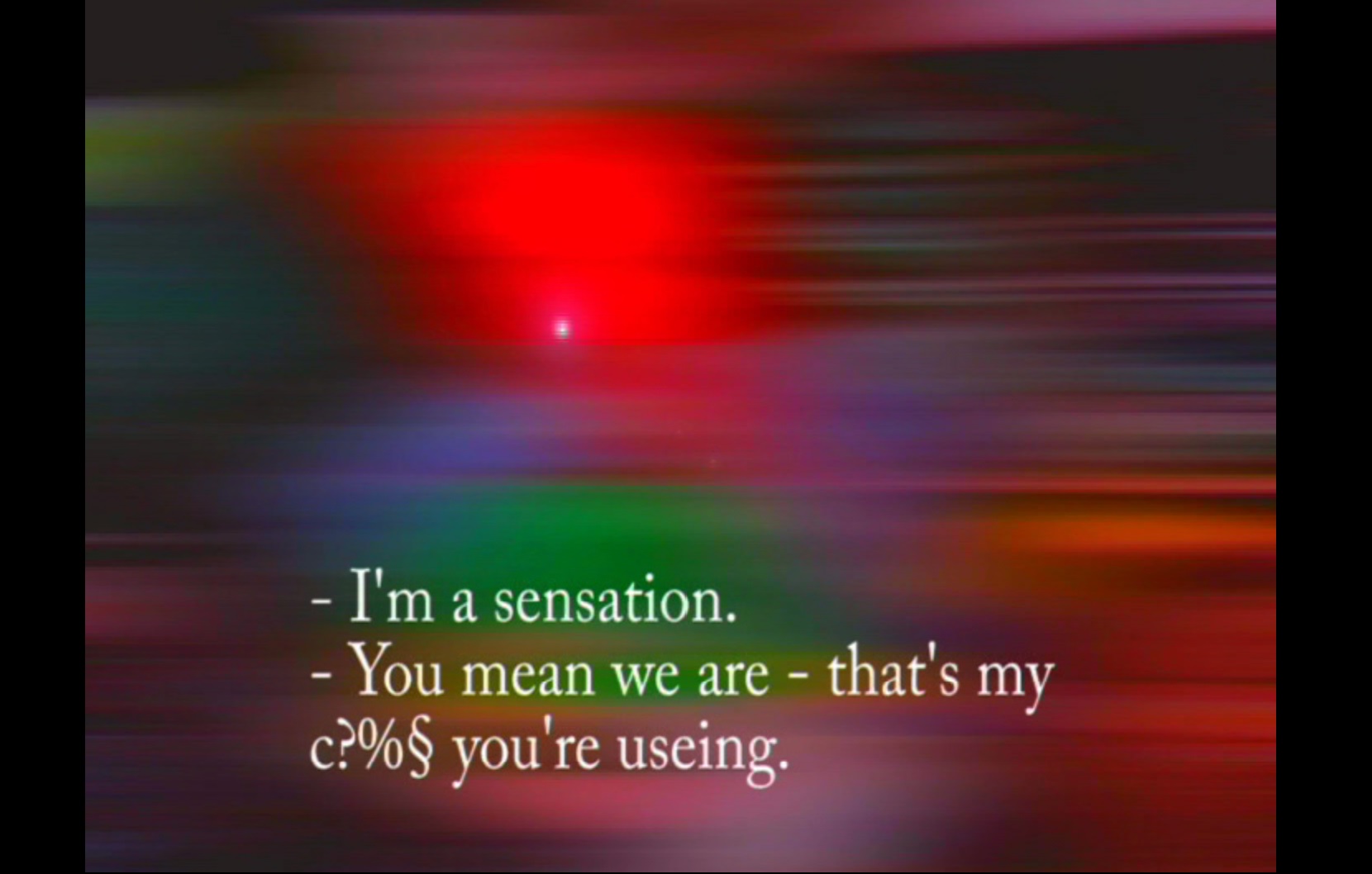
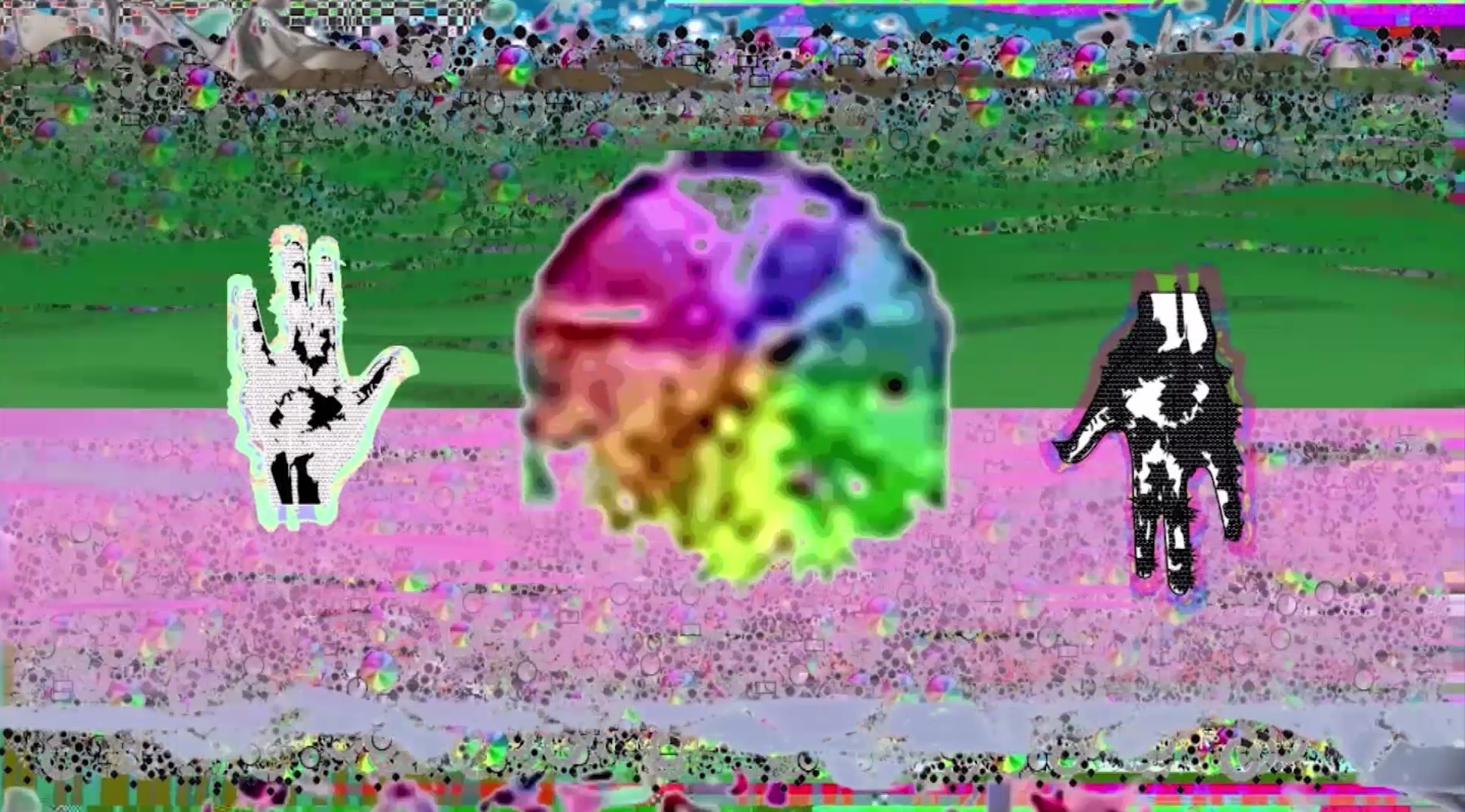
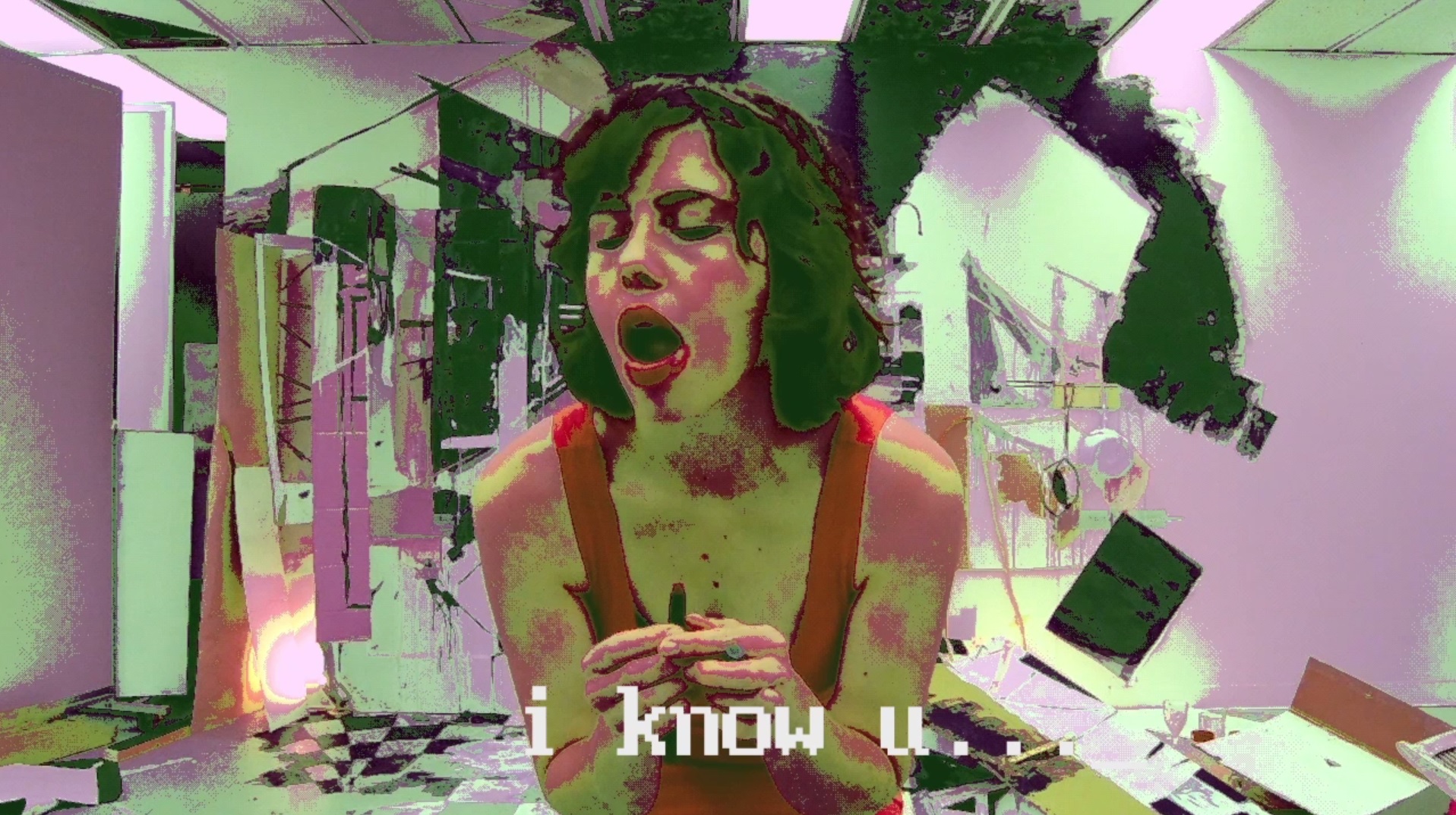
19 of the 36 works were Vimeo embeds. Checking in 2026, all 18 of the IDs we have on record return 404 — deleted, privated, or otherwise unrecoverable. What survives is the original page-background still I made for each video back in 2016 — a single frame that loaded as the artwork's own backdrop in the randomized interface. They are presented here as memorial frames for work that is no longer playable. Click to enter the lightbox.
curatorial statement
Jah Justice, 2016
when we see a digital image, we are truly seeing a simulacrum, a collection of pixels formatted to trick the eye/brain of the observer into forming an impression of the real. it is only through the malfunction of this system, the glitch, that the true material reality of the image can be revealed. the embrace of the mistake or failure represents a powerful gesture in a culture obsessed on maintaining the image of success (even if this image is built on the reality of deep precarity). in fact, the aesthetics of glitch, as a striving towards the real of the digital, in many ways parallels the romantic turn towards nature in response to a new enlightenment of techno-utopic accelerationism (often obliquely referred to by digital art's obsession with water and fluidity), but the pastoral landscapes of glitch are fallen landscapes, haunted by the spectre of their own destruction.
the work in g͠lͮi̔t᷾c̝h̳ invites the viewer to explore these ideas through the machinic gaze of the cyborg. a gaze that is able to see multiplicities of perspectives superimposed on top of each other, distinct and intermeshed simultaneously. a gaze that sees outside of time and linearity into a world of simultaneity and speed. a gaze that does not seek to build complete coherence out of raw visual information. the gaze that privileges ambiguity and fluidity. a gaze that is aware that even the distortions are distortions.